
Titanic is one of my favorite movies—I’ve watched it thousand times! When it’s time for the iceberg scene, I hold out the irrational hope that the ship will finally be able to dodge the iceberg and avoid the catastrophe.
But the ship is [again] too big with too small a rudder.
And what does all this have to do with being responsible? Quite a lot, actually.
The unsustainable case of the Titanic
Our current system of life is, somehow, like the Titanic. We think that it’s leading us to an exotic destination of abundance and opportunities, but we are actually sailing in the dark toward an iceberg. Convinced that not even God himself could sink this ship, we left without lifeboats for all the people on board, including the rich.

Luck is on our side, tho—although we have the iceberg in sight, there’s still time for us. We have time to rethink the ship, adapt it to the circumstances in order to be sure the journey can continue and take a better course.
If the ship is our current life system and people on board are every human in the world, sustainability is the plan to land safe and sound.
What does ‘sustainability’ means?
Sustainability is the ability to meet ‘the needs of the present without compromising the ability of future generations to meet their own.’ I don’t say so—UN said so in 1987.
This means that whenever we make decisions or create anything, we should consider solutions and consequences from the very start. And we’ve got to do it considering not just the economic side, but also the social and environmental impact.”
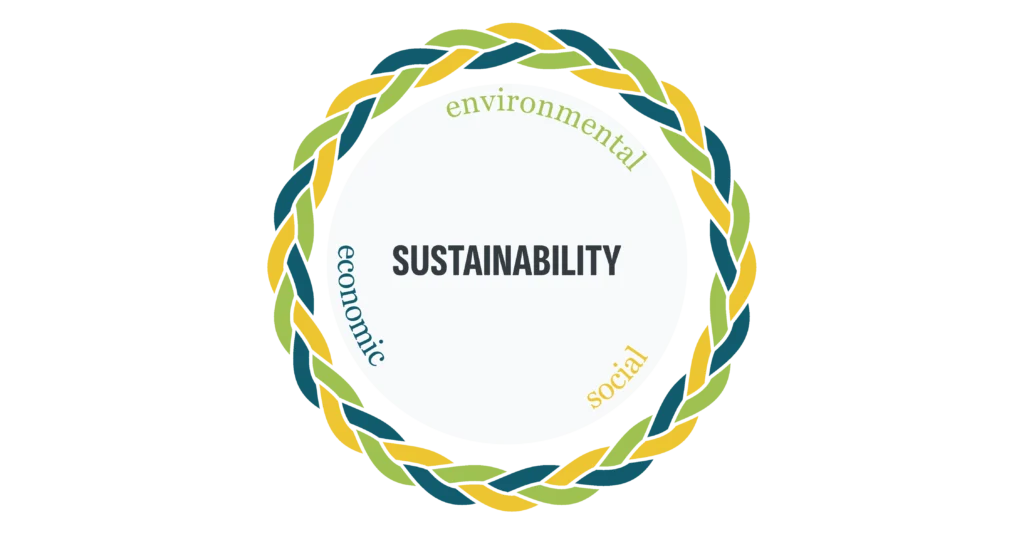

Sustainability and responsibility
‘Titanic, UN, next generations… Massive things I have no control over at all. What does sustainability have to do with me, then?’, you may be thinking. Well, this is where responsibility comes in.
Sustainability may be seem something that someone has to do while everybody else go on with their lives. A revolutionary invention that eventually will reach us all when decent level of development is achieved—as happened with the telephone, the electricity, or the toilets inside the houses at some point.
But sustainability is not a thing—it’s a way of understanding the world. That means nobody can develop it for us. Each of us have to integrate it into our lives for it to be effective as a whole. That is, to take responsibility.
What does this look like in practice? Well, you look at the impact of your decisions and own the downsides—just like you enjoy the upsides.
Yeah, I know. It’s common (and understandable) to feel overwhelmed by the apparent huge individual responsibility (‘why does it have to be me?’). For your peace of mind, this is a collective responsibility to which we should all contribute to the extent of our (real) individual possibilities. Some to things the size of ocean liners and others to more day-to-day things, such as, I don’t know, web pages.
Sustainable digital business
Before we get into what makes a sustainable business, we have to redefine in our brain the meaning of the word impact.
We usually understand the impact of a website, or any other marketing action, as the returns it provides, whether financial or reputational. The reality is, however, that this concept encompasses many more things—and being aware of as many of them as possible is the first step towards making your project a sustainable approach.
What (other) types of impact can a digital business have?
They can be many and always depend on the particularities of each project, but but here’s a quick list to give you an idea:
- Is your project really GDPR compliant?
- Are your sales and marketing practices honest and respectful?
- Do you know how much energy your project consumes on the Internet?
- Do you respect the labor or commercial rights of the people who work or collaborate with you?
- Does your project’s wording normalize any kind of discrimination?
- Is your web design free of ambiguities that confuse people into doing things they don’t really want to do?
- Does your website meet basic accessibility criteria?
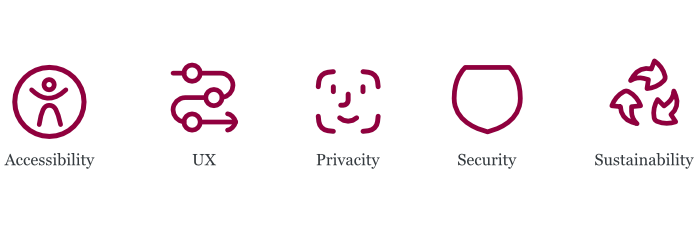
These are just a few examples of everything you could analyze to turn your project into the Authentic Sustainable Digital Business ™. If you want to know more or dive deeper into any of them, just let me know—I can make a separate post. Yeah, for you. Because you rock.
Can your business really make a difference?
After all this info, you may be thinking horrified: “What am I, a humble entrepreneur, going to do? I can’t handle it all!” Don’t worry, the tiny potato believes in you, you can do the thing.
Joking aside, the truth is there’s no clear-cut way to run the perfect sustainable business—at least not yet. Getting caught up in the impact of every tiny detail can ironically be unsustainable in itself.
Then?
Then is the moment to remember that we have to take as much responsibility as we realistically can—no more, no less. But let’s not fall into the trap of settling for mediocrity. The goal? Better than yesterday, not as good as tomorrow. A hundred projects making small improvements every day will always add up to more than one perfect one—if such a thing exists. It works a bit like a kind of shared compound interest. Interesting concept, right? If you want me to get deeper into it… well, you know the drill.
Benefits of a sustainable approach for digital bussiness
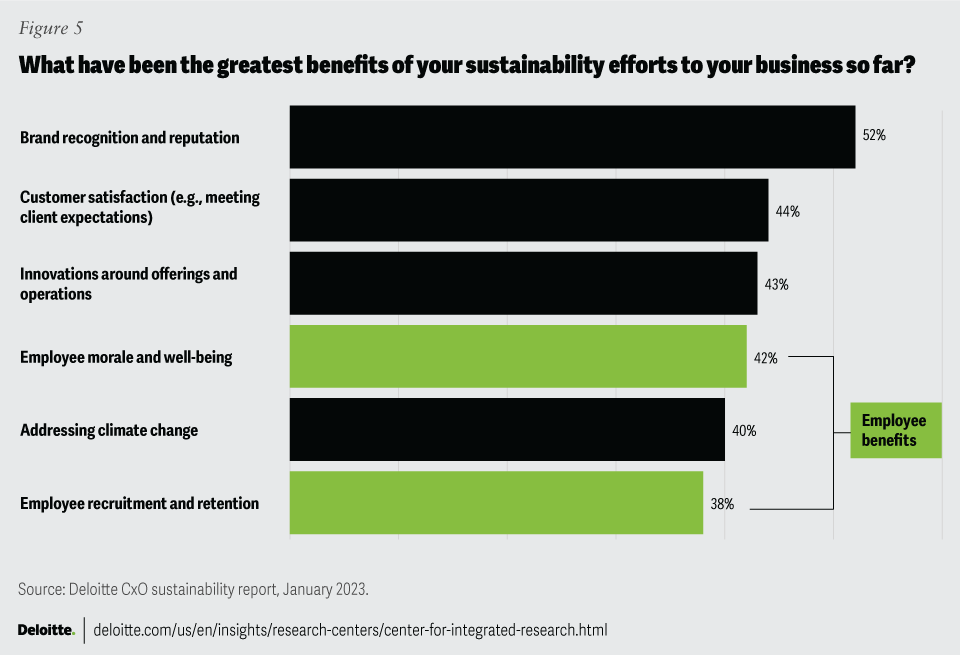
The main benefit is that sustainability in business is a clear—and rapidly growing—trend. So for anyone building a project for the long run, sustainability and corporate responsibility should be a must. Here you have some reasons for it:
- Current and growing consumer and talent awareness.
- The ongoing transformation of trend-setting companies—as well as their competitors.
- The impending government regulations.
I encourage you to check recent information about that here and here. And, yep, you got it right: this is a great topic to write about in another post.
Responsibility works like a compound interest
Amid this whirlwind of trendy concepts like sustainability, responsibility, and diversity—along with more established ones like human rights, privacy, and security—it all really comes down to one core idea: a genuine willingness to act.
From intention to action, the personal and common benefits of your digital business have to be present in equal measure. When in doubt, remember the shared compound interest, which generates cumulative interest for all from small individual investments.
Or you can continue to clench your fists tightly to see if, through telekinetic forces, the Titanic will eventually dodge the iceberg.

And now, what?
If you’ve made it this far, you’re probably excited to start contributing to that shared compound interest. But where do you even start? How do you make the process of making your project sustainable… well, sustainable? What should come first if you can’t do everything at once? Should you just tear it all down and start from scratch with perfect sustainability?
I can immediately answer the last question: don’t you dare. I’ll try to answer the rest, and some more, in future posts. If you want me to answer a specific one, leave it in comments.
If you don’t want to wait and you clearly see here a good opportunity for your team, your students or your community to start adopting a more sustainable approach, you can contact me to book a training session.
Leave a Reply